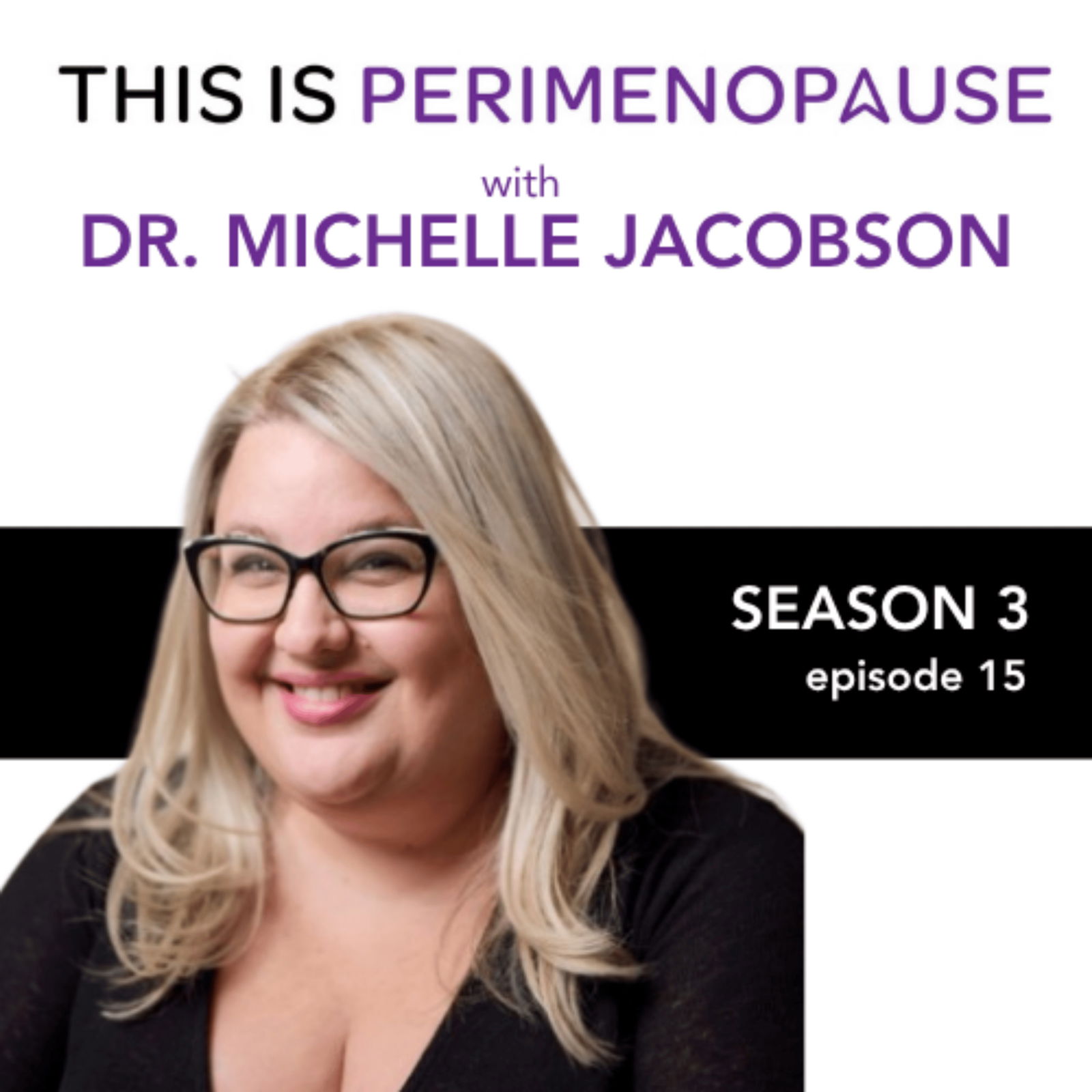
Ever felt dismissed, confused, or just plain abandoned by the healthcare system when it comes to perimenopause? Then this episode is for you.
Meet Dr. Michelle Jacobson, gynecologist, menopause oncology specialist, and co-founder of the virtual clinic Coven Women's Health. She's the doctor other doctors call on complex women’s health issues — and today, she's here for you.
In this episode:
- Why perimenopausal women are the hardest and most underserved group in women's healthcare; and why even great doctors struggle to help them
- The truth about the WHI study. What the headlines got wrong, and what the data actually says
- Why women with a history of cancer don't have to miss out on quality of life and new non-hormonal options available to them
- The story behind Coven Women's Health and why every patient gets Dr. Jacobson's eyes on their care
- How you can thrive through perimenopause
- Why Dr. Jacobson thinks the most important thing you can do right now has nothing to do with hormones
Plus — the meaning behind the names Coven and Hysterical Women (her podcast), and why we all want to be witches now.
This one is packed with the kind of honest, evidence-based, no-BS information that every woman in midlife deserves. We left feeling smarter, more empowered, and honestly a little fired up.
Connect with Mikelle & Michelle at This is Perimenopause
- Subscribe to our Substack
- Email us and let us know what you think of the podcast and what topic you want us to cover next.
- Sign up for our weekly newsletter
- Follow This Is Perimenopause on Instagram
- Follow This Is Perimenopause on Facebook
Dr. Michelle Jacobson is working to redefine the standard of care for women in Canada by scaling access to her expertise in Menopause, Menopause Oncology, and Hereditary Breast and Ovarian Cancer Syndrome.
She's been referred to as "the doctor that other doctors call" when they need to consult on complex women's gynaecological health issues. They call her because of her curiosity, education, research, and clinical experience with conditions and symptoms that impact women, from first period to last. They become her respected colleagues and friends because of her reputation as a physician who is incredibly collaborative, caring, and loyal.
Dr. Jacobson is especially passionate about perimenopause and the menopause transition — through her research and clinical practice, she sees how many women unnecessarily experience a decline in quality of life during midlife. She funnels that passion and advocacy into educating other physicians, policymakers, and the general public on the urgency for changes to medical protocols and for greater support for menopausal women.
As a BRCA gene carrier herself, she is equally passionate about assessing and managing hereditary cancer risk. Committed to advancing early detection, treatment, and patient support, her research in this area has led to the development of a national community of practice in hereditary breast and ovarian cancer that she created and chairs.
At the intersection of both of her passions, she has used her research and clinical experience in menopause — particularly premature menopause due to oncologic therapies, hereditary cancer syndromes, and Turner's Syndrome — to provide a niche contribution to the global literature.
Bottom line: she cares deeply for women and their wellbeing, and she is committed to making patient-centric changes to our standard of care.
Links for this episode